


How many stages are there in middle-distance running? What are some things to keep in mind?
Middle-distance running is a popular form of athletic training that requires a seamless coordination of endurance and speed. To achieve the best results, runners need to understand the different stages of a race. So, How many stages are there in middle-distance running?This article will delve into the key stages of middle-distance running, providing detailed guidance on technique and important considerations to help you train and compete effectively.
How many stages are there in middle-distance running?
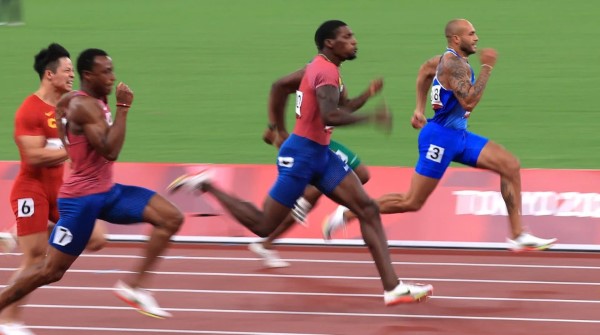
Middle-distance running is not simply about running continuously from the starting point to the finish line; it encompasses several different phases, each playing a crucial role in determining overall performance. Understanding these phases allows runners to distribute their energy effectively and optimize their training and competition results. A typical middle-distance run is divided into five main phases, each with its own significance and requirements.
Startup phase
The warm-up phase is an essential preparation step before starting any physical activity, especially middle-distance running. The main purpose of this phase is to warm up the body, improve blood circulation, and prepare the muscle groups involved in running, thereby minimizing the risk of injury. Proper warm-up makes the body more flexible, agile, and ready for the challenges ahead. Warm-ups typically include gentle exercises, gradually increasing in difficulty and focusing on key joints and muscles.
Starting phase
The starting phase marks the beginning of the race. This is a crucial moment, determining the runner's initial speed and overall pace. A good starting technique will help the runner quickly reach their desired speed, creating an advantage in the first few meters. In middle-distance running, the start doesn't need to be overly forceful, but rather stable and controlled to avoid early exhaustion. Runners need to focus on their reflexes, acceleration, and maintaining good balance right after the whistle.

Acceleration phase
After the start, runners enter the acceleration phase. This is the phase where they strive to reach their desired running speed. During this phase, runners need to focus on adjusting their stride length and stride frequency, while maintaining a steady breathing rhythm. The goal of the acceleration phase is to quickly reach a speed that feels comfortable and can be maintained for the rest of the race; therefore, excessive energy expenditure should be avoided during this phase.
Mid-distance running phase
After the acceleration phase, runners enter the middle-distance phase. This is the phase where runners need to maintain the speed and pace achieved earlier. During this phase, the key factors are speed control, maintaining stability, and conserving energy. Runners need to pay attention to posture, breathing, and body coordination, avoiding unnecessary movements that waste energy. This phase demands high concentration and good control of running rhythm.
The final sprint (the finish line)
The sprint is the final stage of a race, when runners pour all their remaining energy into breaking away and reaching the finish line. During this phase, runners need to maximize their speed, increasing both their stride frequency and stride length to achieve the highest possible velocity. The sprint demands strength and a burst of physical and mental energy. However, runners need to control their pace and avoid exhaustion in the final meters.
Nutrition for middle-distance running
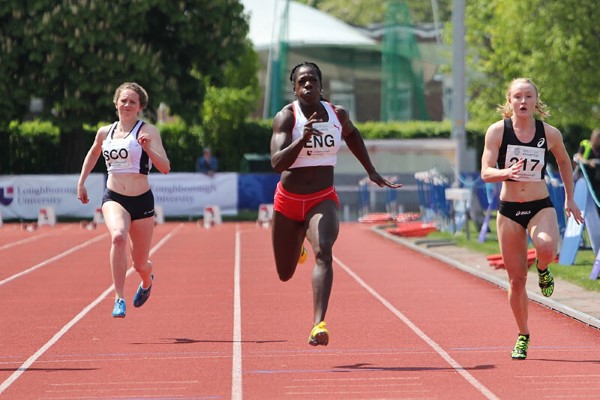
Nutrition plays a crucial role in improving middle-distance running performance. A scientific and balanced diet will help provide the body with the necessary energy, vitamins, and minerals. Before running, you should eat a light, easily digestible, carbohydrate-rich meal to provide energy. During the run, especially on long distances, rehydration and electrolyte replenishment are extremely important. After running, you should replenish protein to aid muscle recovery and carbohydrates to restore energy.

Things to keep in mind when running middle distances.
Middle-distance running requires not only good health but also thorough preparation and adherence to principles to avoid injury. Here are some important points to note:
- Warm up properly: Never skip warming up before running. A proper warm-up will help heat up your body, reduce the risk of injury, and improve joint flexibility.
- Choose the right running shoes: A good pair of running shoes will help protect your feet and minimize impact on your joints. Choose shoes that are comfortable and fit well.
- Choose comfortable clothing: Breathable, sweat-wicking clothing will help you feel more comfortable throughout your run.
- Drink enough water: Don't wait until you're thirsty to drink water. Drink plenty of water before, during, and after your run to avoid dehydration and exhaustion.
- Listen to your body: Pay attention to your body's signals and stop if you feel pain or excessive fatigue.
- Exercise regularly: To improve your running performance, you need to maintain a regular training routine and a well-structured plan.
- Get enough rest: Your body needs time to recover after each workout. So, make sure you get enough sleep and take adequate rest periods.
- Run correctly: Proper running technique not only helps you run faster but also protects your body from unnecessary injuries. Learn the correct running technique and try to apply it during your training.
- Don't compare yourself to others: Everyone has different physical conditions and abilities. Focus on yourself and strive to improve every day.

Conclude
Clearly understand How many stages are there in middle-distance running? It's crucial for effective training and achieving the best results. Each stage plays a specific role, and you need a concrete strategy for each. Additionally, combining this with a proper diet and adhering to running guidelines will help you improve performance and avoid unnecessary injuries. Be persistent and dedicated, and you will achieve success on your running journey.