


The latest handball rules 2024 and important regulations to note.
Handball is a dramatic and exciting sport that requires not only technical skill but also a deep understanding of the rules. In 2024, several significant changes were implemented to the rules of handball, directly impacting the way games are played and managed. In this article, we will explore the details of the latest handball rules and regulations to ensure you stay up-to-date with these changes.
What is handball?
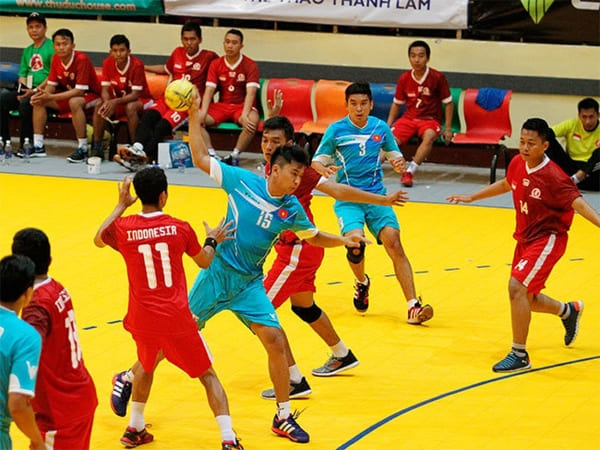
Handball is a team sport in which two teams, each with seven players, attempt to throw a ball into the opponent's goal. The team that scores the most goals in two 30-minute halves wins.
Handball is played on a rectangular field with two goals at each end. Players use their hands to pass, catch, and throw the ball. Each team's objective is to coordinate their efforts to get the ball into the opponent's goal while simultaneously preventing the opponent from scoring.
Handball is a sport that requires a combination of strength, speed, individual technique, and teamwork. It is a very popular sport worldwide and is loved by many people for its excitement and speed.
The effects of handball
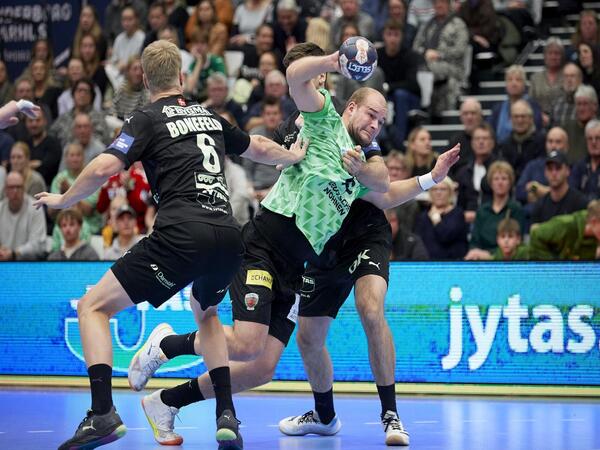
Handball is not just a recreational sport; it also offers numerous health and mental benefits. Participating in handball improves physical fitness, enhances agility and reflexes, and fosters teamwork and discipline. Below are some of the amazing benefits this sport provides.
Physical training
Handball is a well-rounded sport that effectively improves physical fitness. When playing handball, players must move constantly, performing sprints, jumps, and throws, all of which require endurance, muscle strength, and quick reflexes. Regular handball participation strengthens the cardiovascular system, improves respiratory capacity, and develops major muscle groups, especially the arms, legs, and abdomen. It is an ideal sport for maintaining and improving physical health.
Develop teamwork skills
Handball is not just an individual sport; it also requires close teamwork. Players need to know how to work together, pass the ball accurately, and coordinate offense and defense to achieve a common goal. This helps improve communication skills, teamwork, and group coordination—important elements not only in sports but also in daily life and work.
Improve concentration and reflexes.
Playing handball requires players to have high concentration and quick reflexes to handle situations on the court. With the fast pace of the game and the constant changes in the ball's position, players must always be ready to counter opponent's attacks and make quick decisions. This helps improve concentration, train reflexes, and enhance the ability to process information quickly and accurately.
Reduce stress and boost morale.
Playing handball is a great way to relieve stress and pressure. This sport stimulates the body to produce endorphins, which help improve mood and reduce anxiety. In addition, the competitive spirit and the joy of winning with teammates boost morale, improve mental health, and bring excitement and balance to life.
Dodging techniquesm
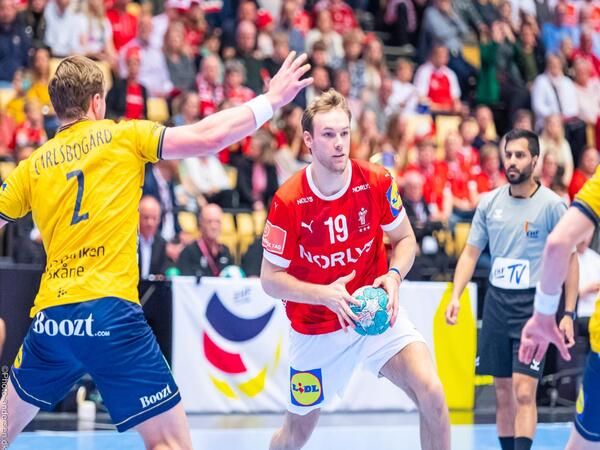
To become a good handball player, mastering the fundamental techniques is crucial. From accurate throwing and secure catching to agile movement and teamwork, each technique plays a vital role in dominating the game. Below are core techniques that will help you improve your skills, play effectively, and become an indispensable part of the team.
Throwing technique
Handball technique is the most fundamental and important skill in handball, determining the effectiveness of attacks and scoring. Players need to use both strength and accuracy when throwing the ball to overcome the opponent's defense and get the ball into the net. There are many different types of throws, such as the overhand throw, underhand throw, or spin throw, each requiring different techniques and dexterity. Regular practice of handball technique helps players improve their scoring ability and control of the game.
Passing technique
Passing is a fundamental technique for building teamwork, helping players coordinate smoothly and create attacking opportunities. In handball, quick and accurate passing between players is crucial for maintaining possession and disrupting the opponent's defense. Players need to know how to make both short and long passes, depending on the situation on the court, while always keeping an eye on their surroundings to read the game and make informed passing decisions.
Ball catching technique
Catching the ball is an essential technique for maintaining ball control and sustaining play. When catching, a player must use both hands, extending their fingers to form a "basket" to receive the ball, and maintain good balance to avoid losing possession. Catching requires high concentration and quick reflexes, especially when the opponent is under pressure. Practicing catching techniques helps players improve their defensive abilities and maintain control of the ball.
Movement techniques
Agile and quick movement is a crucial technique that helps players create space for both offense and defense. In handball, players need to know how to sprint, change direction abruptly, and move without the ball to break down the opponent's defense. Movement techniques also include intercepting the ball, moving into open spaces, and supporting teammates. Good movement helps players conserve energy and optimize their performance.
Defensive techniques
Defense is an indispensable element in handball, determining the ability to prevent the opponent from scoring. Defensive techniques include intercepting passes, man-marking, and blocking opponent's shots. Defensive players need high concentration, quick reflexes, and good situational awareness. Practicing defensive techniques helps the team maintain control of the game and minimize the risk of conceding goals.
Teamwork techniques
Teamwork is a crucial technique in handball, helping players connect with each other to create effective play. Good coordination requires mutual understanding among players, from movement and passing to offense and defense. This technique not only strengthens team cohesion but also makes the game more diverse and difficult for opponents to anticipate. Good teamwork is key to success in any handball match.
Basic rules of handball
The rules of handball not only define the way the game is played, but also clearly stipulate the rights and responsibilities of players, referees, and coaches. In this section, we will explore the most basic and important rules of this sport, helping you master the rules and compete professionally.
Handball Rules – Playing Field
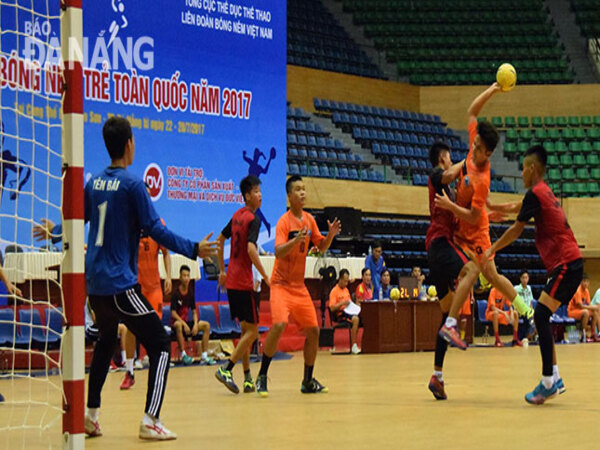
Handball courts are designed with strict regulations regarding size and layout. The court is rectangular, with standard dimensions of 40m x 20m, and clearly marked lines dividing it into areas such as the penalty area, free throw line, and center zone. In addition, the goalposts and net must also comply with regulations regarding size and material to ensure fairness in play. Understanding these regulations helps players and coaching staff optimize their tactics on the court.
Regulations regarding match duration, final signal, and match pause.
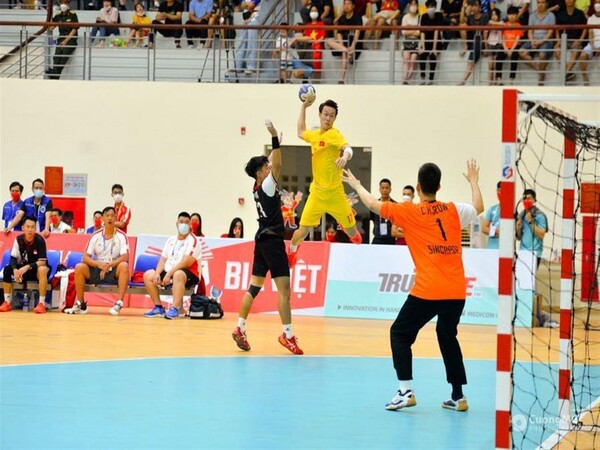
In handball, the playing time is clearly defined, with each match consisting of two halves, each lasting 30 minutes, with a 10-minute break between halves. The referee is the only person with the authority to control the game and signal the end or suspension of play using a whistle. In special cases such as injury or unforeseen circumstances, the referee may temporarily stop the game. Understanding these rules helps the entire team play with appropriate tactics and avoid unnecessary disputes.
Rules for match balls

Handball balls must meet certain standards regarding size and weight, depending on the age and gender of the players. For men, the ball typically has a circumference of 58-60 cm and weighs approximately 425-475g, while for women, the ball is smaller, with a circumference of 54-56 cm and weighing 325-400g. The ball must be made of a non-slip material to allow players to easily grip it. Adherence to these regulations helps ensure safety and fairness in competition.
Rules regarding teams, substitutions, and playing uniforms.

Each handball team consists of seven players on the court, including a goalkeeper and six players outside the court. Teams have unlimited substitutions throughout the game, provided players enter and exit the court in accordance with the designated substitution zones. Playing uniforms must be uniform in color and style, with each player wearing a different numbered jersey. The goalkeeper must wear a different colored uniform from the other players for easy identification. Adherence to these rules ensures an orderly and professional game.
Rules regarding goalkeepers in handball
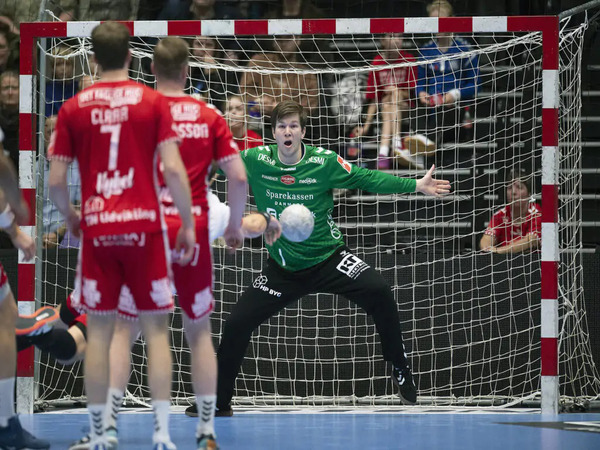
In handball, the goalkeeper has certain special privileges, different from other players on the field. The goalkeeper is allowed to touch the ball with any part of their body to block an opponent's throw, as long as they are within the penalty area. However, the goalkeeper is not allowed to hold the ball for more than 3 seconds in this area or take the ball out of the penalty area without throwing it. The goalkeeper can also participate in offensive plays if they leave the penalty area, but must adhere to the same rules as other players.
Rules regarding the restricted area in handball.
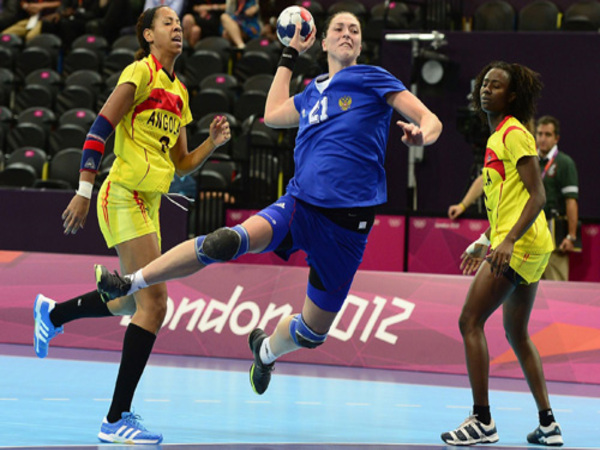
The penalty area is a semicircular zone in front of the goal where only the goalkeeper is allowed to stand. Other players are not permitted to enter the penalty area, except during free throws or in case of losing their balance after taking a throw. Violating the penalty area can result in a penalty for the opposing team or a warning. Understanding this rule helps players avoid fouls and effectively defend the goal.
Handball rules regarding competition and foul play.
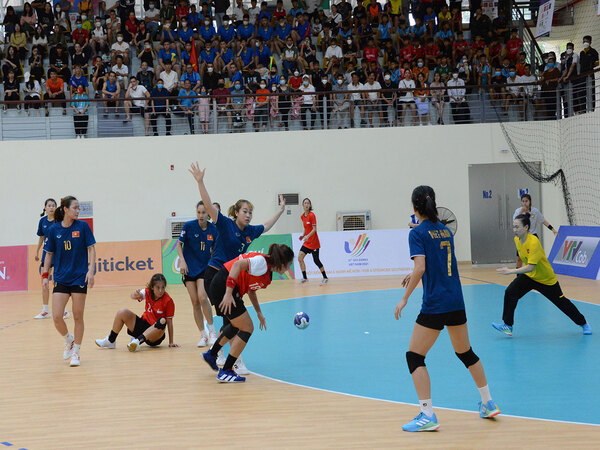
The rules of handball clearly define positive conduct and sportsmanship. Negative actions such as time-wasting, intentional fouls, or deliberately slowing down the game are considered violations and can result in penalties such as yellow cards, red cards, or penalties. The purpose of these rules is to ensure a fair, engaging game free from unsportsmanlike conduct. Players need to compete with high sportsmanship to avoid penalties.
Rules of ball possession and fouls in the game.
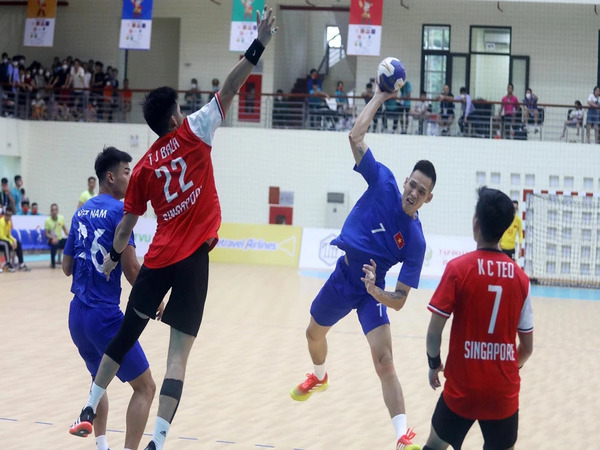
Handball rules stipulate that players may only hold the ball for a maximum of 3 seconds or move a maximum of 3 steps before passing or shooting. Common fouls such as holding the ball for too long, an invalid shot, or illegal tackling can result in loss of possession or a penalty. Understanding and adhering to these rules helps players perform effectively and avoid making basic fouls.
Rules regarding goals
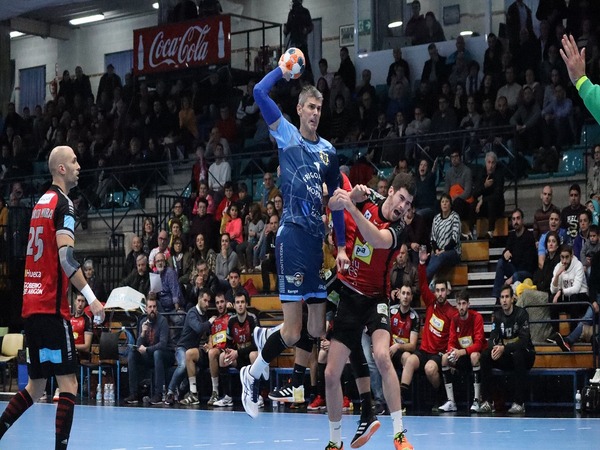
A goal in handball is awarded when the ball completely crosses the opponent's goal line without any foul from the thrower or their teammates. If any foul occurs before the ball enters the net, the goal will not be awarded. The rules regarding goals also cover special situations such as own goals or goals scored after the final whistle. Understanding these rules helps players understand how to score a valid goal and maximize their chances in the game.
Rules of the kick-off
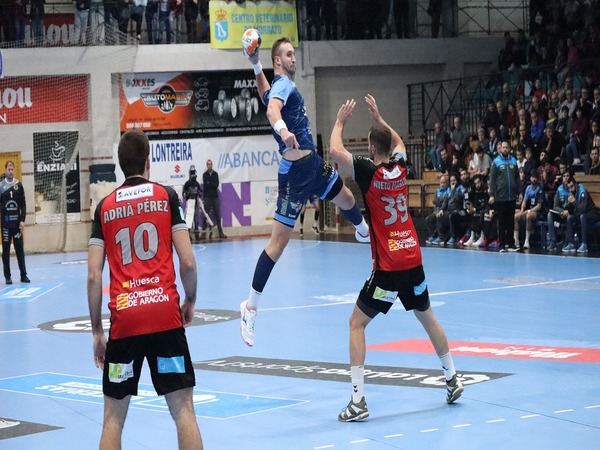
The rules of the kick-off in handball stipulate that the game begins with a kick-off from the center of the court. The team taking the kick-off must ensure that the ball is passed immediately after the referee blows the whistle. All opposing players must stand at least 3 meters away from the player taking the kick-off until the ball leaves their hands. After each goal, the team that conceded the goal has the right to take the next kick-off. This rule helps maintain fairness and ensures a clear and precise start to the game.
Throw-in rules
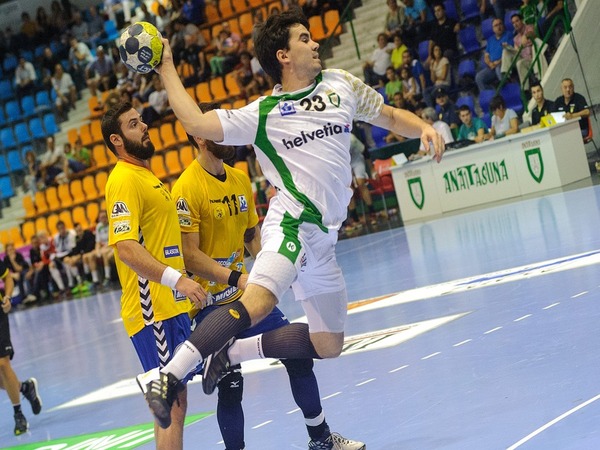
In handball, the throw-in rule applies when the ball has gone out of bounds along the sidelines. The team that did not touch the ball last has the right to take the throw-in. The player taking the throw-in must stand outside the sidelines and both feet must be in contact with the ground when throwing. The ball must be thrown into the field and cannot be scored directly from this throw-in. This rule helps control the ball's legitimate return to the field and maintain the pace of the game.
Serving rules
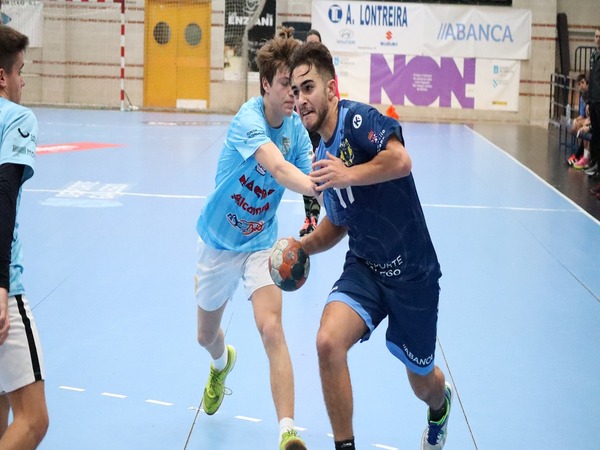
The rules governing goal kicks specify situations where a goal kick is taken from the goal area when the defending team regains possession after an unsuccessful attack by the opposing team. The goalkeeper or another player may take the kick with their hand or foot from inside the penalty area. The ball must leave this area before being touched by a teammate. A quick and accurate kick is crucial for restarting the game and creating counter-attacking opportunities.
Free throw rules
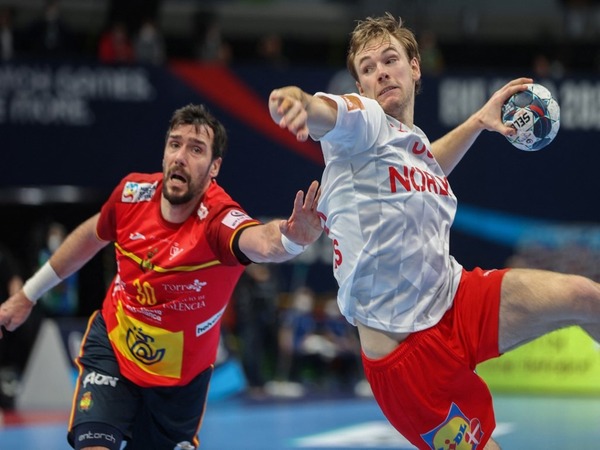
A free throw is a penalty awarded when an opposing team commits a serious foul or a clear violation during a game. The player taking the free throw can score a goal directly from the free throw position without the ball touching anyone else. The free throw position is usually outside the penalty area, and all opposing players must stand at least 3 meters away from the ball. This rule aims to punish violations and maintain fair play.
The penalty shootout rule is from 7 meters.
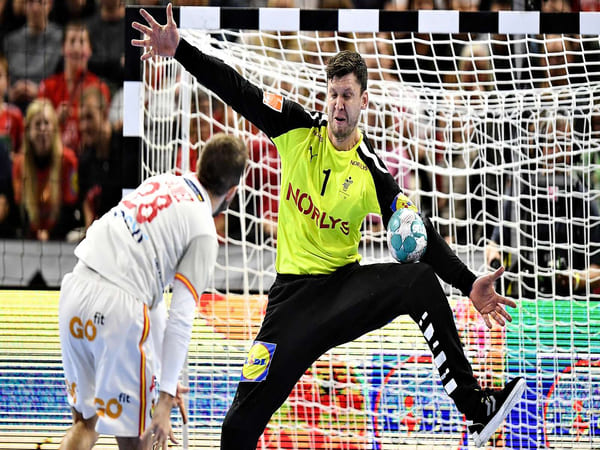
The 7-meter penalty kick is the most severe penalty in handball, applied when a player is seriously fouled in the penalty area, or when the defending team prevents a clear scoring opportunity. The player taking the kick stands on the 7-meter line in front of the goal and can throw the ball directly into the net without any further intervention. The goalkeeper is only allowed to move along the goal line before the ball is thrown. This rule gives the fouled team a fair chance to score.
Rules for throwing the ball

Handball rules require players to master throwing techniques to ensure the ball travels in the correct direction and with appropriate force. There are various throwing styles, such as overhead throws, underhand throws, and spin throws, each with its own strategy suited to specific situations. In all cases, players must ensure they do not violate rules regarding foot position, ball possession time, and pre-throwing movement. Understanding and correctly implementing these rules helps players optimize their offensive and defensive effectiveness.
Rules of refereeing in handball
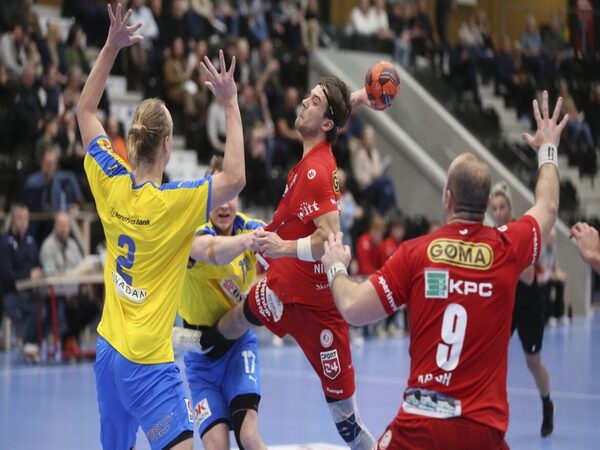
In handball, referees play a crucial role in managing the game and ensuring all rules are followed. A game typically has two main referees, responsible for overseeing the entire process, including detecting fouls, managing time, and handling disputes. Referees have the authority to stop the game, issue yellow cards, and even disqualify players if necessary. The rules of refereeing help maintain fairness and discipline in the game.
Regulations regarding timekeepers and secretaries
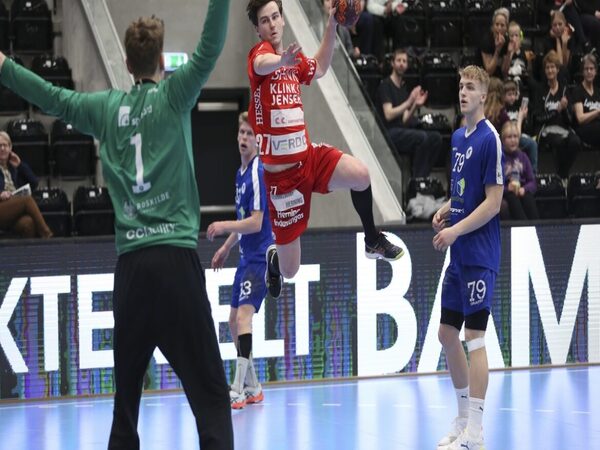
The timekeeper and the secretary assist the main referee in managing the match. The timekeeper is responsible for monitoring and recording the match time, including official time, halftime, and any stoppages. The secretary is responsible for recording important events such as goals, fouls, and substitutions. Both positions play a crucial role in ensuring the match runs smoothly and accurately according to regulations.
Referee's signals
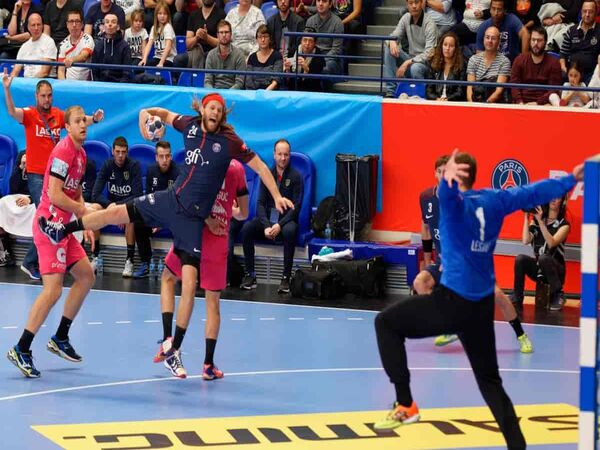
Handball referees use a series of hand signals to communicate their decisions to players, coaches, and spectators. These signals include actions such as raising a hand to indicate a free throw, waving to signal a substitution, or showing a card to warn a player. Each signal has a clear and consistent meaning, helping to keep the game orderly and easy to follow. Understanding these signals is essential for both players and spectators to accurately grasp the game's progress.
Penalties in handball rules
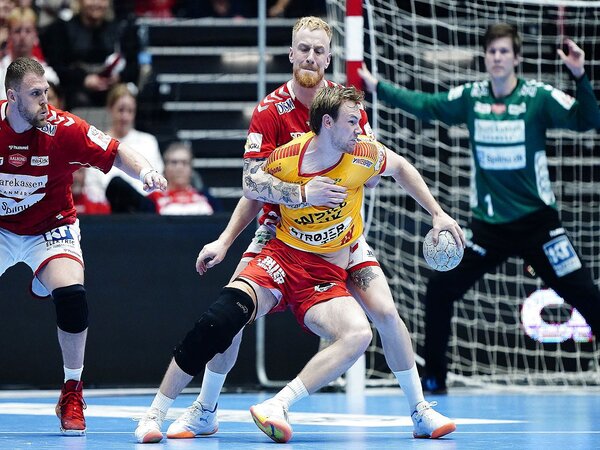
In any sport, adherence to the rules is a fundamental principle ensuring fairness and safety. Handball is no exception, with strict penalties in place to maintain order and sportsmanship.
Warning
A warning is the mildest form of punishment in handball, applied when a player commits a minor foul, such as a first-time offense or inappropriate behavior. The referee will show a yellow card to warn the player and remind them to follow the rules. The purpose of the warning is to caution and correct the player's behavior, helping them to better understand the rules of the game and avoid repeating the mistake.
Yellow Card
Yellow cards in handball are used to penalize more serious fouls or when a player has already been cautioned but continues to violate the rules. A yellow card is an official signal from the referee that the player needs to be more careful in their behavior. If a player receives too many yellow cards, they may face more severe penalties, such as a red card or suspension.
Red Card
A red card is the most severe penalty in handball, applied when a player commits a serious foul, intentionally endangers an opponent, or commits repeated violations after receiving a yellow card. Upon receiving a red card, the player is immediately removed from the field, and the team will have to play with one less player for a certain period. The red card is a measure to ensure the safety of the players and maintain fairness in the game.
Two-minute suspension
A two-minute suspension is applied when a player commits a serious foul or repeats a foul after already receiving a yellow card. The penalized player will have to leave the field for two minutes, and their team will have to play with fewer players during this time. This penalty is not only a personal punishment but also directly affects the team's ability to perform.
Disqualification
Suspension is the most severe form of punishment in handball, applied when a player engages in extremely dangerous or unsportsmanlike conduct that is unacceptable on the field. When suspended, a player is not only removed from the current game but may also be banned from playing in future games. Suspensions are a measure to protect the sport and safety of handball, while also deterring negative behavior.
Conclude
Understanding the latest 2024 handball rule changes will not only help you play more confidently but also avoid unnecessary mistakes. Hopefully, this article has given you an overview and a better understanding of the new regulations. Stay updated and practice to become an excellent handball player!