


Effective wrist exercises for better volleyball hitting.
The wrist is one of the most important parts of the body in volleyball. It not only contributes to the power, accuracy, and speed of the ball striking motion, but also affects the athlete's overall performance. To play volleyball effectively, wrist training is essential. So, how do you train your wrist? Volleyball wrist training Effective? Let's find out in the article below!
The importance of the wrist in volleyball
Wrist training is very important in volleyball. Specifically, it involves the following:
- Pass the ballThe wrist helps control the precise direction and accuracy of the ball when passing. When passing the ball with two hands (overpass), the wrist needs to be flexible to adjust the force and direction of the ball.
- Hit the ballWhile hitting the ball, the wrist can create a more effective angle of attack and help the ball follow the desired trajectory. A flexible and agile wrist can help generate more power and better control of the ball.
- Blocking the ballWhen receiving the ball, the wrist helps stabilize and control the ball's direction, especially when receiving powerful serves or spikes from the opponent.
- Reduce injuriesA flexible and strong wrist reduces the risk of injury from impact or overstraining. Good technique and proper exercise help strengthen the wrist muscles and joints.
Volleyball wrist exercises
Wrist training is essential for a strong and flexible wrist. Below are some effective volleyball wrist exercises you can do to improve your strength and hitting technique.
Wrist twist exercise with light weights
- Prepare a light weight (it could be a water bottle).
- Hold the dumbbell in one hand, palm facing up.
- Slowly twist your wrist downwards so that your palm is facing down, then twist it back in the opposite direction.
Repeat the movement 10-15 times for each hand, ensuring your arm and shoulder remain stationary to focus on the wrist. This exercise helps strengthen the ligaments and tendons around the wrist, minimizing the risk of injury during competition.

Wrist rotation exercises with resistance bands
- Stand with your feet shoulder-width apart, hold one end of the elastic band with one hand, and firmly grasp the other end with the other hand.
- Rotate your wrist clockwise and counterclockwise.
Repeat 10-15 times for each hand. This volleyball wrist exercise not only strengthens your wrist but also increases its flexibility, making it easier to perform volleyball techniques.
Wrist curl exercise with a wooden bar
- Prepare a small wooden stick.
- Hold the wooden stick with one hand, palm facing up.
- Roll the wooden stick upwards, rotate your wrist so your palm is facing down, then roll it back up.
Repeat the exercise 10-15 times for each hand. This volleyball wrist exercise helps develop muscle strength around the wrist, facilitating more effective shots.
Hand-squeezing exercise for the ball
- Grasp a volleyball firmly with one hand, raise your arm high, then squeeze the ball down.
- Repeat the movement 10-15 times for each hand.
Remember to keep your elbows fixed and use only your wrists to generate force. This is a simple yet extremely effective exercise for strengthening your wrists.
Push-ups on handgrips
- Prepare your hands for push-ups, placing them shoulder-width apart.
- Place your hands on the handrails, then perform push-ups.
Repeat the movement 8-12 times, focusing on maintaining body balance and using wrist strength to push yourself up. This volleyball wrist exercise not only helps develop muscles but also strengthens the wrists.

Wrist rotation exercises without equipment
- Extend one arm straight, palm facing upwards.
- Slowly rotate your wrist clockwise and then counterclockwise.
Perform the movement 10-15 times and repeat for the other hand. This volleyball wrist exercise requires no equipment and is convenient to do anytime, anywhere.
Exercises for balancing a ball in your hands.
This is a volleyball wrist exercise that helps strengthen the wrist, improve control, and enhance balance.
- Place a ball on the palm of your hand and maintain balance for a certain period of time.
- Perform this exercise for 30-60 seconds for each hand.
Remember to use your wrist strength to keep the ball balanced. This exercise helps improve ball control and strengthens your wrists.
Instructions on wrist-based polishing technique.
The technique used is crucial to the effectiveness of each shot. Proper wrist use optimizes the power, accuracy, and speed of the ball. Below is a detailed guide to wrist-based hitting techniques.
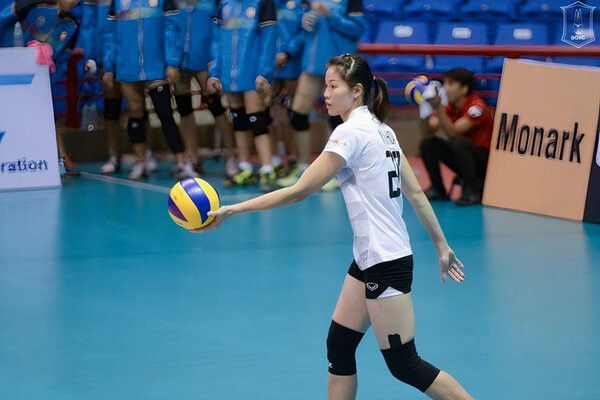
Serving technique
- Step 1: The player stands about one step away from the ball, feet shoulder-width apart. Bend knees, lean slightly forward, extend the arm holding the ball forward with a bent elbow.
- Step 2: Focus your strength on your wrist, rotate your wrist to push the ball upwards, and simultaneously shift your body weight forward.
- Step 3: Choose the right moment to make contact with the ball; let the ball touch your palm and fingers (excluding your thumb).
- Step 4: After making contact with the ball, rotate your wrist and continue using force to control the ball's direction.
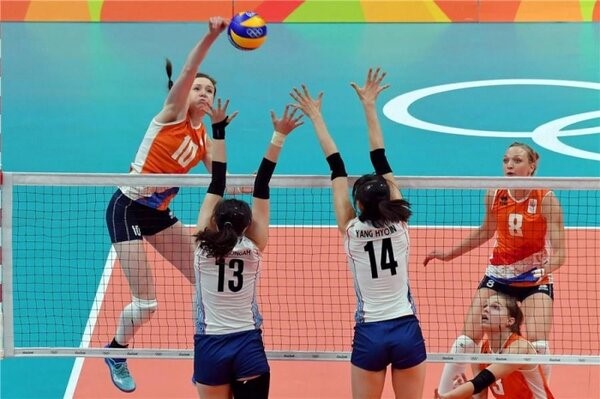
Ball striking technique
- Step 1: The player jumps up, raises their arms high, leans forward, and slightly bends their elbows.
- Step 2: During the jump, shift your body weight from your feet to your arms and use the force of your wrists to powerfully hit the ball downwards.
- Step 3: Let your palm and fingers (excluding your thumb) touch the ball when it is at its highest point.
- Step 4: After making contact with the ball, rotate your wrist to generate power and control the ball in the desired direction.
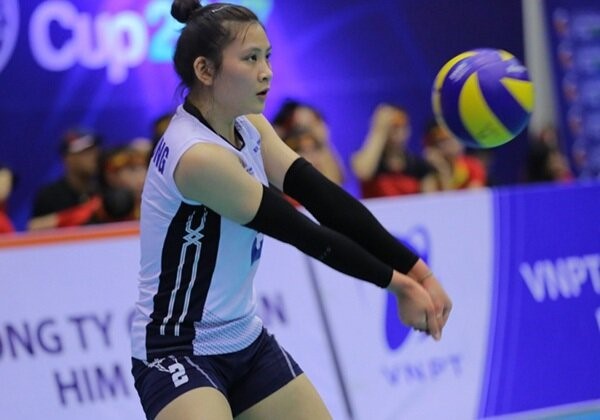
Passing technique
- Step 1: The player stands firmly with feet shoulder-width apart, extends arms forward, bends elbows, and holds the ball with their fingers.
- Step 2: Shift your body weight forward, using the force of your wrist to push the ball upwards.
- Step 3: Choose the right moment to make contact with the ball, ensuring the ball makes contact with your palm and fingers (your thumb should not touch the ball).
- Step 4: Use the force of your wrist to control the ball in the desired direction.
Methods for strengthening the wrist
It's clear that wrist training plays a crucial role in volleyball. Besides training exercises, you can also apply other methods to effectively improve wrist strength.
Use light weights.
Using light weights for training is one of the popular methods for strengthening the wrists.
You can perform wrist twists, wrist rolls, or light weightlifting exercises in various positions. These exercises help strengthen the muscle groups around the wrist, thereby supporting the ball striking process.

Exercise aids
Using support equipment such as resistance bands or specialized wrist exercisers will help you train more effectively.
This tool not only helps strengthen muscles but also helps you perform exercises more accurately. This is especially important for wrist movements, a crucial technique in sports like volleyball, tennis, and badminton.
Resistance training
Wrist exercises with resistance bands are an effective way to strengthen and improve wrist flexibility. You can perform wrist flexion exercises by sitting or standing with your arms extended in front of you, palms facing up. Hold the resistance band firmly and slowly flex your wrist towards you, then return to the starting position. Repeat this movement 10-15 times for each hand.
Next, perform wrist stretches by sitting or standing with your arms extended in front of you, palms facing down. Grasp the resistance band, pull to create tension and extend your wrists upwards, then return to the starting position. Perform 10-15 repetitions for each arm.
Additionally, wrist rotation exercises are also very helpful. Sit or stand with your arm extended in front of you, palm facing to one side, hold a resistance band, and rotate your wrist in small circles. Perform 10-15 repetitions in both directions.
Things to keep in mind when training your wrist for volleyball.
When training your wrists in volleyball, there are a few things to keep in mind to avoid injury and improve performance:
- Before exercising your wrists, it's essential to warm up your entire body, especially your wrist, finger, and arm joints. Warm-up exercises such as wrist rotations and finger stretches will help increase flexibility and reduce the risk of injury.
- Perform exercises that improve wrist control when making contact with the ball, such as tossing and controlling the ball with your wrist. This helps improve accuracy and power when serving or passing the ball.
- When serving, spiking, or blocking, proper technique is crucial. The wrist must be positioned correctly to avoid overstraining. Especially when spiking, using the wrist correctly increases spin and ball control.
- If you have a history of wrist injuries or experience pain, you can use wrist wraps or specialized gloves for protection while playing volleyball.

Nutritional guidelines to support wrist training.
A balanced diet, rich in nutrients, especially protein and vitamins, helps muscles develop healthily. It's recommended to supplement with foods rich in omega-3s, such as salmon and chia seeds, to improve bone and joint health and increase wrist flexibility.
- ProteinChicken, fish, eggs, and beans (support muscle recovery)
- Collagen and Vitamin CBone broth, orange, kiwi (strengthens joints and ligaments)
- Calcium and Vitamin DMilk, fatty fish, and sunlight (helps strengthen bones)
- Omega-3Salmon, chia seeds, flax seeds (reduce inflammation, protect joints)
- Magnesium and ZincGreen vegetables, seeds, and chicken (support muscle growth and recovery)
Conclude
Training and improving wrist strength is beneficial not only for volleyball but also for many other sports. A variety of wrist exercises for volleyball, ranging from simple to complex, will help you play more effectively. Don't forget to maintain a proper diet and use supportive equipment to optimize your training results!