


Water polo rules for beginners
What are the rules of water polo? Water polo is a fun and challenging sport, appealing because of its combination of strength, technique, and strategy. It's not just a recreational game, but also a competition requiring high levels of teamwork. If you're new to water polo, this article will help you understand the rules, history, goals, and requirements for participating in this sport.
What is water polo? The history of water polo.
What are water balloons?
Water rugby is an aquatic sport played between two teams of seven players. The objective of the sport is to score points by getting the ball into the opponent's goal.
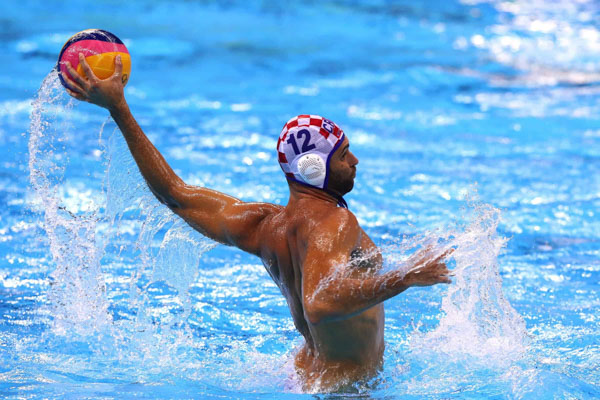
Water polo is not just a sport, but an art form where muscular strength, swimming ability, and sophisticated tactics intertwine. Players must focus on multiple elements simultaneously, from controlling the ball and maintaining balance on the water to communicating effectively with teammates.
History of Water Rugby
Water polo, a highly competitive and skill-based sport, originated from swimming and strength demonstrations at fairs and festivals in England and Scotland in the late 19th century. Initially known as "Water Rugby," it was later renamed "Water Polo," inspired by the Balti word "pulu," meaning ball.
The basic rules of water polo were established by William Wilson in Scotland. The first matches took place at the Arlington Swimming Club in Glasgow in the late 1800s, using a ball made from Indian rubber. The sport quickly developed and became the first team sport to appear in the Olympic program in 1900. Today, water polo has become a popular sport globally, especially in Europe and America, attracting a large number of fans and athletes.
The purpose of a water polo match
The main objective of a water polo match is to score points by getting the ball into the opposing team's goal. The team that scores more points wins. However, achieving this is not easy. Players must be intelligent in applying tactics, coordinating with each other, and maintaining consistent performance throughout the match.
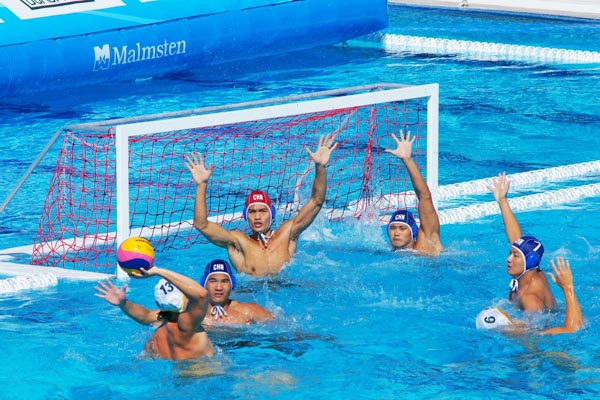
Besides scoring points, water polo requires players to master techniques, from ball control to efficient movement on the water. Therefore, those who want to participate in this sport need to train their physical fitness, improve their swimming skills, and enhance their teamwork abilities.
Rules of Vietnamese water polo
Number of players in water polo
In each water polo match, each team consists of 13 players, including 7 main players and 6 substitutes. Of the 7 main players, one is the goalkeeper, while the other six are regular players. The goalkeeper is allowed to use both hands to catch the ball, while the other players are only allowed to use one hand.
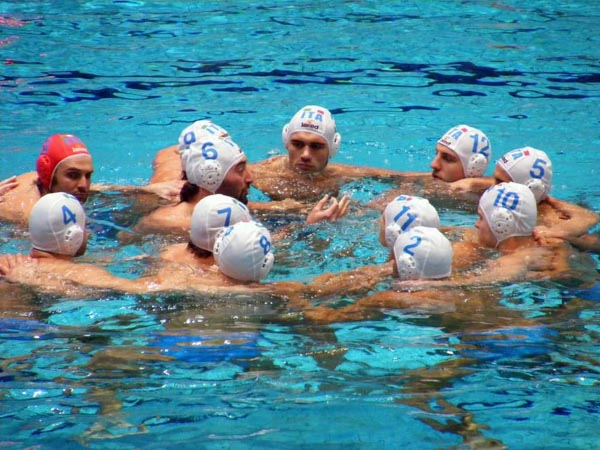
This creates a clear difference in the playing style and tactics of each position. Substitute players can come in at any time during the match to replace key players when needed, helping to maintain the team's strength.
Rules of water polo
Water polo match schedule
A water polo match consists of four quarters, each lasting eight minutes. There are two-minute breaks between quarters, except for a five-minute break between the second and third quarters. The total time for a match, including breaks, is usually around one hour. If the match ends in a tie, overtime or a shootout may be required to determine the winner.
Water balloon size
Water polo balls are similar in size to soccer balls but are made from waterproof nylon. This prevents the ball from sinking and makes it easier to control when playing in the water. The size and weight of the ball are designed for throwing and catching underwater.
How to calculate water polo points
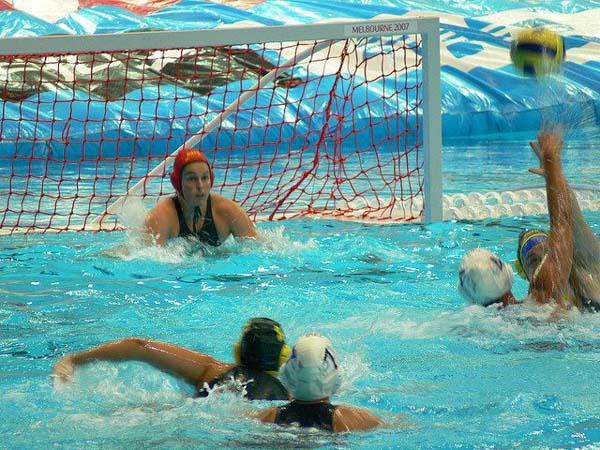
Each goal scored counts as one goal. The team that scores more goals wins. If both teams are tied at the end of the game, the match may go into overtime or be decided by a free throw. When a foul occurs, the fouled team is awarded a free throw from a distance of 4 meters.
Fouls committed during the match
In water polo, there are many foul situations that players need to avoid. Understanding these rules will help you play more safely and effectively.
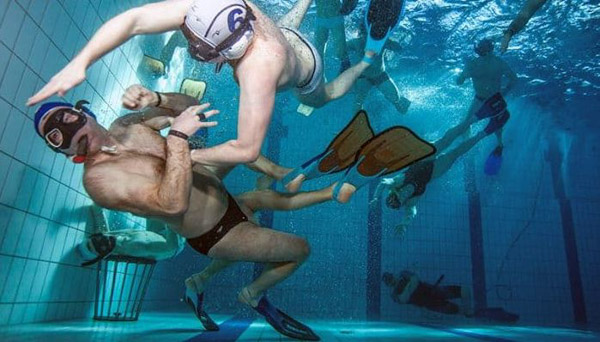
Common types of offenses include:
- Collide: When a player intentionally makes a strong collision with an opponent to win the ball.
- Keep the ball for longer: Players are not allowed to hold the ball for more than 30 seconds without attacking.
- Hinder: When a player blocks an opponent without having the ball.
- Assault: Any action such as hitting, punching, or kicking an opponent is considered a serious foul.
When a foul occurs, the referee can issue a penalty card to the offending player, including a yellow card and a red card. A yellow card is a warning, while a red card will remove the player from the game. This can seriously affect a team's strength and competitiveness in the match.
Basic water polo gameplay for beginners
How to maintain balance on the water
To maintain balance on the water while playing water polo, you need to do the following:
- Practice the "eggbeater" technique.This is a circular leg-kicking technique to help the body float and stabilize.
- Keep your body straight.Try to keep your body from leaning forward or backward.
- Use your hands for support.The right hand is always in use to help maintain balance.
How to control blisters
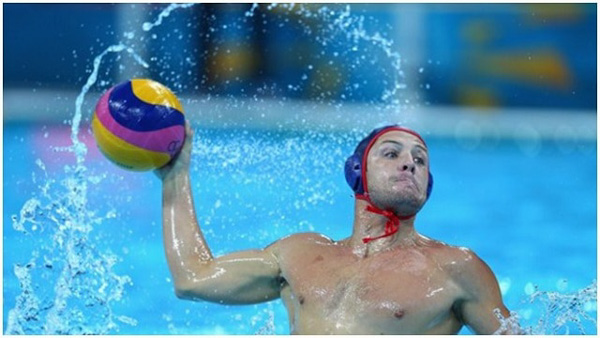
To control the ball well, you should follow these tips:
- Use your palms and fingersYou should use your palm and fingers to control the ball instead of your whole hand.
- Keep the ball close to your body.This makes it easier to control the ball and protect it from opponents.
- Practice the "dribbling" technique.Use your hands and fingers to push the ball across the surface of the water.
How to move a water balloon
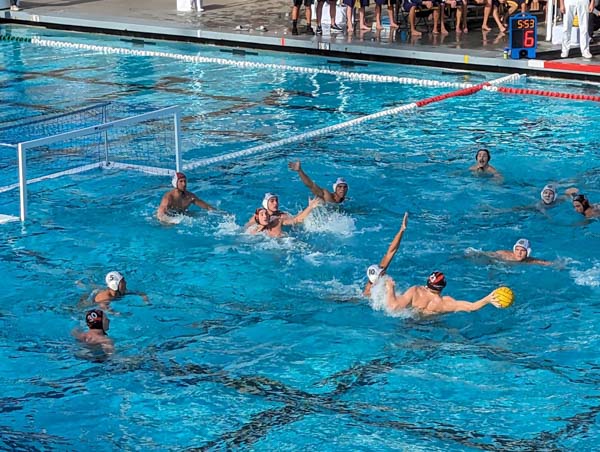
Effective water ball movement creates scoring opportunities. Some techniques include:
- Swimming with a ballUse freestyle swimming techniques to move quickly with the ball.
- Short passingMake short, accurate passes to keep the ball under control.
- Quick change of directionPractice changing direction quickly to avoid being obstructed by opponents.
How to pass a water balloon
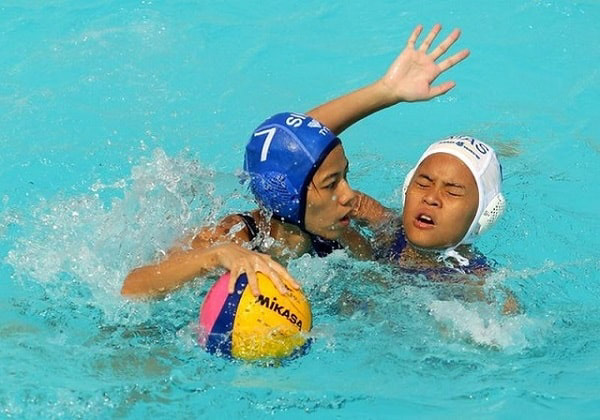
Passing is a crucial skill for scoring goals. Here are some effective passing techniques:
- One-handed passingUse one hand to pass the ball quickly and accurately.
- Passing on the water surfaceEnsure the ball remains afloat for easy control.
- Long chainWhen making a long pass, use the strength from your arm and shoulder to generate power for the pass.
Requirements for water polo players
To play water polo effectively, players need the following qualities:
good physical condition
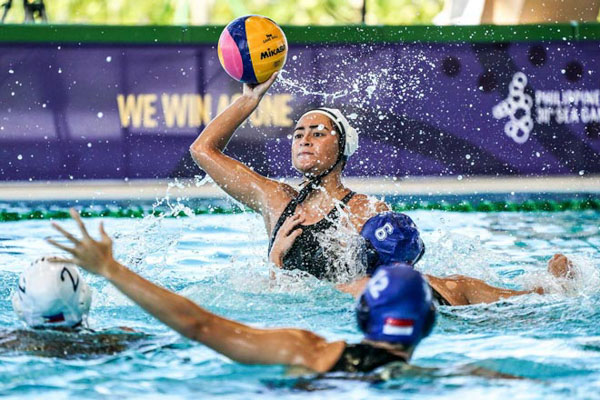
One of the primary requirements for participating in water polo is good physical fitness. It's a sport that demands a high level of health and stamina. Players need strength, endurance, and speed. Swimming for extended periods, along with pushing and resisting pressure from opponents, requires a solid physical foundation.
Swimming skills
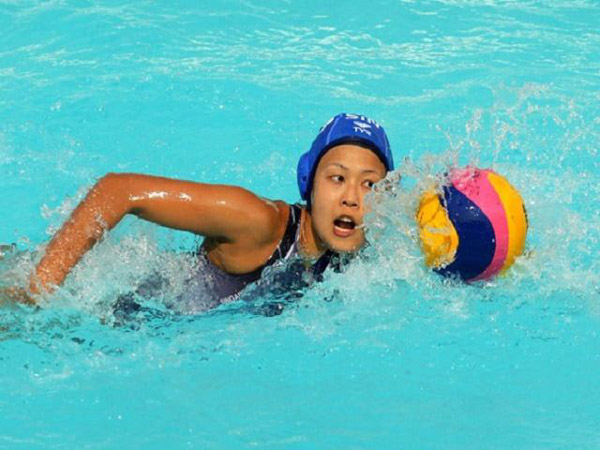
Swimming is a fundamental and essential skill in water polo. Players not only need to be good swimmers but also need to be able to move nimbly underwater. This not only helps them maintain good positioning during the game but also increases their reaction time and ability to execute attacks.
Ball skills
Players need to master ball handling skills and execute technical movements such as passing, receiving, and shooting proficiently. Diligently practicing these skills will not only help you control the ball more effectively but also enhance your team's scoring ability. View each practice session as an opportunity to develop and improve yourself, thereby contributing positively to the team's overall success.
Team spirit
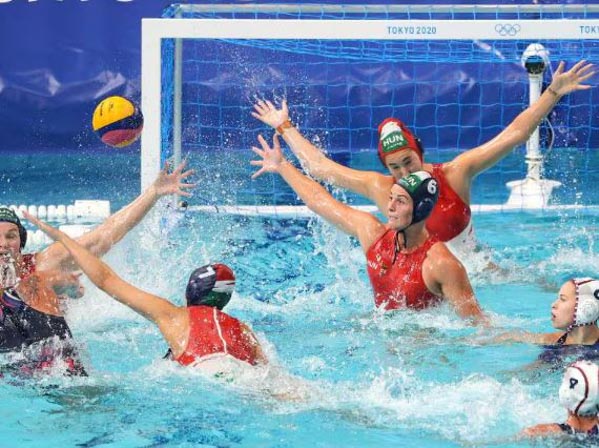
Water polo is a team sport, so teamwork is extremely important. Players need to coordinate with each other to create effective strategies and support each other throughout the game. Communication and empathy among team members will be key to success.
Conclude
Water polo is a fun and challenging sport. It requires a combination of strength, technique, and strategy. If you love water sports and want to challenge yourself, water polo is a great option. Joining water polo classes or finding a water polo club near you will help you enter the colorful world of this sport. Hopefully, with this basic knowledge of water polo rules, you will feel more confident as you begin your journey in this exciting sport.