


Updated 2024 rules for singles badminton in competition.
Badminton is one of the most popular sports in the world, attracting millions of participants and viewers. With the continuous development of this sport, the rules of singles badminton have also been adjusted to ensure fairness, transparency, and greater appeal for matches. In this article, we will explore the history of badminton, the dimensions of a singles badminton court, serving rules, how to start a match, the scoring system, and many other aspects of the latest 2024 updated singles badminton rules.
History of Badminton
Badminton, also known as "badminton," is a sport with interesting origins dating back to the mid-18th century in British India. The game was invented by a British army officer during his service in India. When it first appeared, badminton shared many similarities with ball badminton – a game played with a yellow wool ball – and was also influenced by the Japanese game Hanetsuki.
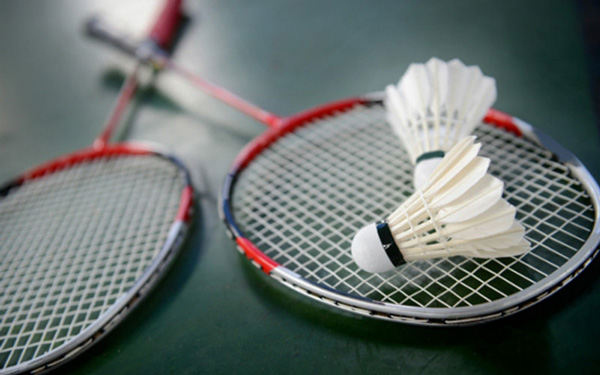
In 1875, veterans returning from India brought badminton back to their homeland of England and began establishing clubs dedicated to the sport. The rapid growth of badminton attracted an increasing number of participants, so much so that in 1893, the British Badminton Association officially published the first set of rules for the sport and organized its first tournament.
Today, badminton has become one of the most popular sports globally, with the Badminton World Federation (BWF) playing a key role in managing and organizing international tournaments, providing a playing field for millions of athletes and fans around the world.
Standard dimensions of a singles badminton court
A standard singles badminton court is defined as 13.4 meters long and 5.18 meters wide. In matches, the end lines and sidelines are crucial boundaries that define the valid playing area. Each court is divided into two equal halves by a net that is 1.55 meters high at each end and slightly lower, at 1.524 meters in the middle.
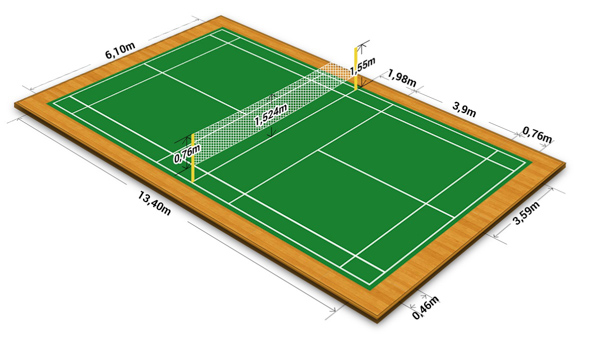
The service area is also clearly defined by lines parallel to the sidelines, creating a fair playing space for both players. These rules ensure that every match takes place under the best and fairest conditions for all athletes.
Rules regarding serving in singles badminton
Serving is one of the most important actions in badminton. It marks the beginning of each match and is the decisive moment in the competition between the two players. The rules regarding serving in singles badminton are very strict and every player needs to understand them to avoid committing fouls.
Scope of serving and receiving the ball
In singles badminton, clearly defined serving and receiving areas are crucial to ensure fairness and order throughout the match. Specifically, the server must stand in the correct position within their serving area and serve diagonally to the opponent's corresponding serving area. This area is defined by lines parallel to the sidelines and baseline.
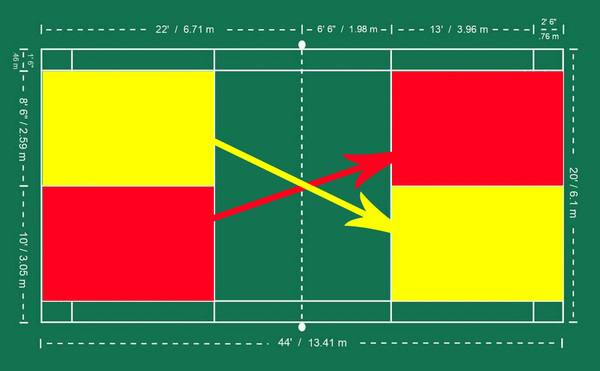
The shuttlecock must be hit from below the waist, and the racket must be pointing downwards upon contact. This not only creates a valid way of playing but also enhances the competitiveness of each point. If the shuttlecock does not go over the net or lands outside the designated area, the opponent receives a point, emphasizing the importance of adhering to the rules in each serve situation. Accuracy in each serve and the ability to read the situation are key to winning badminton matches.
Scoring and serving order
In singles badminton, each successful serve that the opponent cannot return scores a point for the server. Matches are typically played in best-of-three sets, meaning the team that wins the first two sets is the winner. Each set continues until one side reaches 21 points, provided they are at least two points ahead of their opponent. When one side has 21 points and is at least two points ahead of their opponent, the set ends.
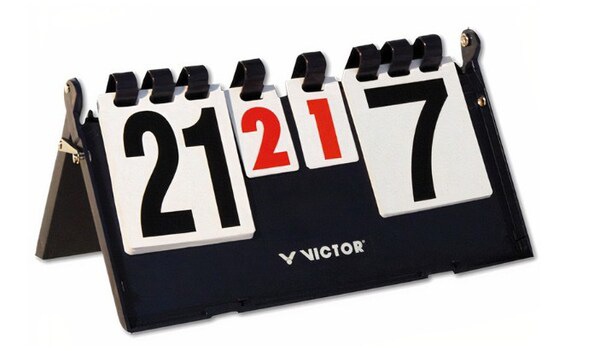
The order of serving also plays a crucial role in the match. Whoever wins a point continues to serve until their opponent scores. If the server violates the rules or fails to score any points, the right to serve is passed to the opponent. This creates a continuous cycle between the two players, ensuring fairness and excitement in the match. This process not only adds drama but also requires both players to remain focused and prepared for the next shot.
How to start a badminton match
A singles badminton match typically begins with a coin toss to determine who gets to serve first and their position on the court. The winner of the coin toss gets to choose between two options: serve first or choose their side of the court. The loser gets the remaining option. This process is designed to ensure fairness and randomness, giving both players an equal opportunity from the very beginning of the match.
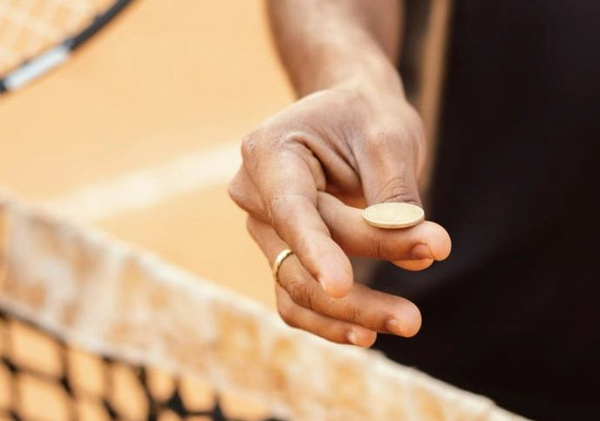
Once the serving area and position have been determined, the server stands in their serving area, ready for the serve. Their opponent stands in the opposite receiving area, creating the necessary distance to begin the match. When the referee gives the signal to start the match, the server makes the first serve. The serve must be hit from below the waist and fly over the net into the opponent's serving area. If that serve is deemed valid according to the rules of the sport, the match officially begins, marking the start of a dramatic and exciting competition.
The scoring system and rules in singles badminton
In singles badminton, the scoring system is designed to ensure fairness and competition between the two players. Matches are played in three sets, with the player who wins two sets first being declared the overall winner. Each set lasts to 21 points. Below are the detailed rules for scoring in this sport:
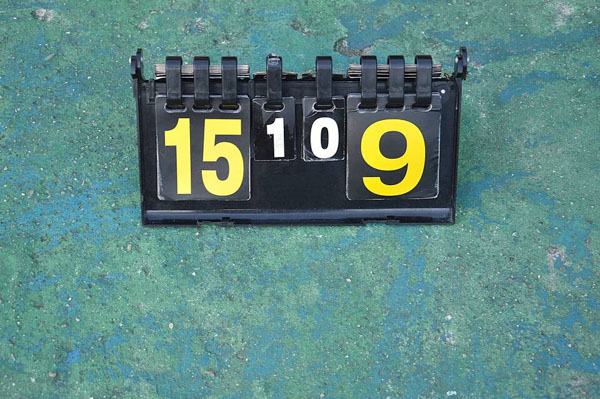
- ScoreEach time the shuttlecock lands in the opponent's court without being returned, the hitter scores a point. The player who wins a rally receives one point added to their total score.
- DrawWhen both sides reach 20 points (20-20), the game continues until one side scores two consecutive points to win. If the score is 29-29, the side that scores the 30th point first wins the game.
- Serving orderThe player who wins the point retains the right to serve until their opponent scores. If the server violates the rules or fails to score, the right to serve is transferred to the opponent. The serving order alternates between the two sides, ensuring fairness and continuity throughout the match.
- Break timeIn each round, when one side reaches 11 points, both sides will have a maximum rest time of 60 seconds. Between rounds, the maximum rest time is 2 minutes. This is crucial to allow athletes time to recover their strength and prepare optimally for the next round.
Rules for serving in singles badminton
In singles badminton, the serving rules are specifically and detailedly established to ensure fairness and order in the match. The server must stand in the correct position within their serving area and must serve diagonally into the opponent's area. The serving area is clearly defined by lines parallel to the sidelines and baselines. For a valid serve, the shuttlecock must be hit from below the waist, and the racket face must be pointing downwards upon contact. If the shuttlecock does not cross the net or lands outside the designated area, the opponent scores a point.
There are several specific regulations regarding bridge handover, as follows:
Bridge intersection
The serving position in the game is very important and has its own rules. The server needs to pay attention to their current score to determine their position. Specifically, when the server's score is an even number, they must stand in the right side of the court. Conversely, if the score is an odd number, the server must move to the left side. This not only helps ensure fairness in the match but also creates a strategy for each serve based on the score situation.
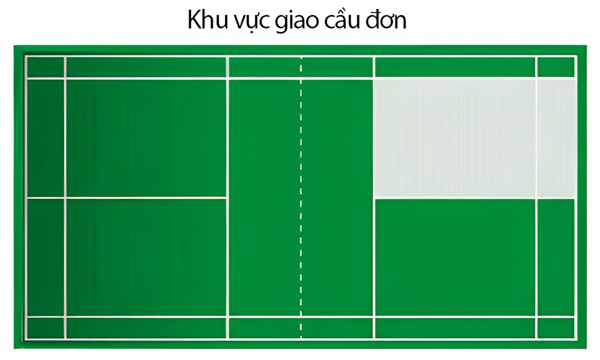
Serving position
The serving posture in badminton is crucial to ensuring the validity of the serve. The server's feet must always be in contact with the court and must never step on the line before the shuttlecock touches the racket. Additionally, the point of contact between the racket and the shuttlecock must be at or below the server's waist height. This not only helps maintain the rules but also gives the player an advantage in the match.
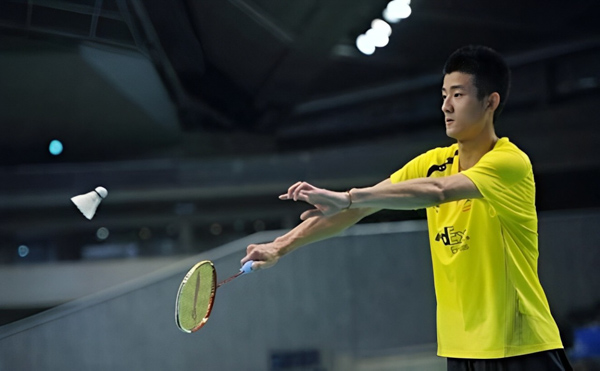
Valid serve
A valid serve in badminton requires both the server and the receiver to be ready, without any delay. Throughout the serve, the racket head must always be pointing downwards. Furthermore, the player needs to maintain continuous movement from the start of the serve until the shuttlecock is delivered. This ensures fairness and adherence to the rules of the game.
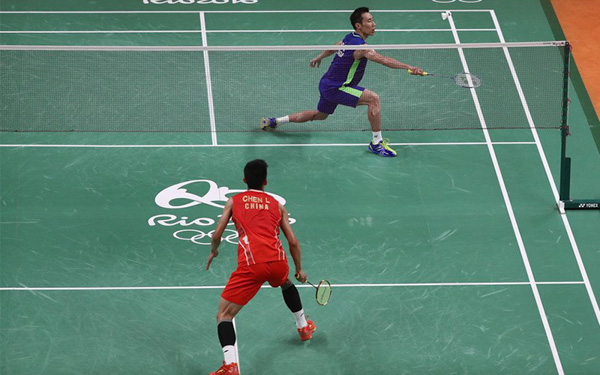
These rules help maintain fairness and allow both athletes to compete on equal terms on the field.
Rules regarding changing venues
In singles badminton, the change of court between the two players will be done at specific times as follows:
- After the first round is over, the athletes will switch sides to ensure fairness.
- If the second game ends in a draw, both players will be forced to play a third game, at which point they will also switch sides.
- In the third set, when one of the players scores the first 11 points, the two players will switch sides.
Changing the playing field is done to maintain fairness in the match, preventing one side from gaining an advantage due to factors such as surface conditions, lighting, or wind affecting their performance.
Fouls in badminton singles
During singles badminton matches, players may encounter some of the following common mistakes:
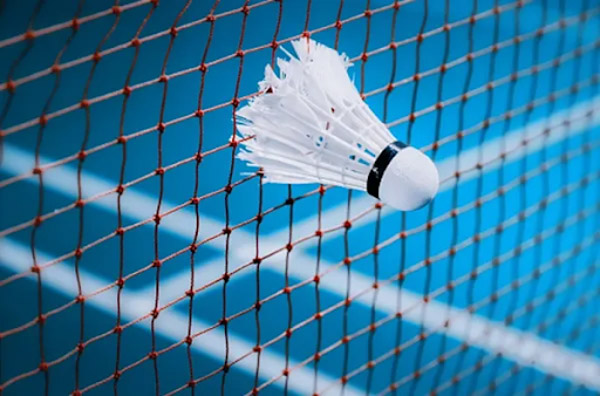
Serving error
- The kick-off was not performed in the designated area.
- The server's feet must not touch the court surface or be on the line until the shuttlecock makes contact with the racket.
- The point of contact between the racket face and the shuttlecock should be lower than the server's waist.
Error receiving the request
- The ball receiver was not standing in the designated position within the ball receiving area.
- The receiver may move or delay when the server is ready to serve.
Errors during the shuttlecock stroke
- The ball touches any part of the player's body.
- The shuttlecock did not cross the net or fall outside the opponent's court.
- The player touches the net or crosses the halfway line while hitting the shuttlecock.
These errors will result in the opponent being awarded points and the right to serve. Therefore, understanding these rules is crucial, helping players improve their performance and avoid unnecessary point losses. Mastering the rules not only improves skills but also creates fairer and more exciting matches.
Conclude
The latest 2024 updated badminton singles rules have provided clear and detailed regulations, making matches fairer and more engaging. Understanding these rules is essential for all badminton players who want to succeed in professional tournaments. Besides practicing individual skills, athletes need to master the rules of the game. Furthermore, referring to and updating the latest information to ensure honesty and fairness in competition is crucial for improving the quality of this fascinating sport.